
April 2026
MARMOSAICO: Turning marble expertise into opportunities for the future
The “MARMOSAICO: School of the Future” project was launched with a clear mission: to promote social and professional inclusion by valuing traditional knowledge related to marble. With the support of various partners, including the Galrão Group, this initiative—based in Central Alentejo—combines artisanal training, technological innovation, and job market preparation, creating opportunities for young people and vulnerable groups.
In this interview, we explore the impact, objectives, and future vision of a project that transforms natural resources and heritage into tools for inclusion and development.
What led to the creation of MARMOSAICO, and why was Central Alentejo chosen as its area of operation?
The creation of MARMOSAICO: School of the Future originated from the identification of key social challenges, such as unemployment, young people in situations of social and economic vulnerability, and immigrants facing exclusion from opportunities. The project emerged within the framework of the Social Innovation Program as a response to the need to tackle social and economic exclusion in the Alentejo region. Its aim is to empower and integrate individuals through the revitalization of traditional knowledge linked to marble and their integration into the labor market.
Central Alentejo — specifically the municipalities of Alandroal, Borba, and Vila Viçosa — was chosen as the area of operation due to a set of strategic factors. This region hosts Portugal’s main marble industry cluster, located within the Estremoz–Borba–Vila Viçosa anticline, which contains the country’s largest and most significant reserves of this natural stone. At the same time, it is a territory with a strong cultural identity and significant potential for industrial tourism, promoted, among others, through the Marble Route developed by CECHAP.
In this context, MARMOSAICO seeks to strengthen collaboration between different sectors and enhance the local cultural industry, highlighting the historical and economic importance of marble. At the same time, it responds to the need for innovative solutions that promote the empowerment and integration of vulnerable groups, using natural resources and geological heritage as drivers of social inclusion. The cultural and industrial richness of Central Alentejo makes it particularly well-suited for a project that combines vocational training with territorial valorization, supported by the active involvement of local municipalities, which have committed to collaborating across several dimensions of the initiative.
Over the three years of implementation, the project aims to train a total of 54 participants through nine workshops. Each workshop will last 100 hours and will be structured into four complementary modules: marble mosaic creation, painting and marbling techniques, ceramic modeling, and experimental technologies.
What has been the most relevant social impact since the beginning of the project? Can you share any concrete results or indicators?
The most significant social impact of MARMOSAICO: School of the Future lies in the inclusion and empowerment of young people and vulnerable groups, integrating them into the local economy through the valorization of the marble industry.
The first workshop began in February 2026, and the first module is still ongoing. As such, it is not yet possible to present results or indicators related to the main training objectives. However, considering that the group consists of seven participants with diverse backgrounds (in terms of gender, age, nationality, and educational level), it is already possible to observe a meaningful impact in terms of social inclusion, reflected in the cohesion of the group.
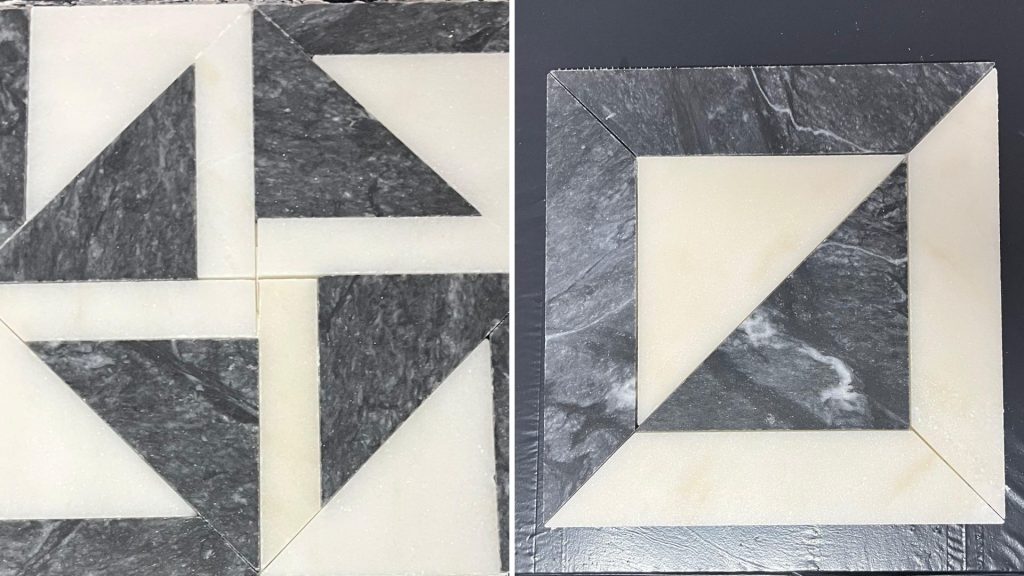
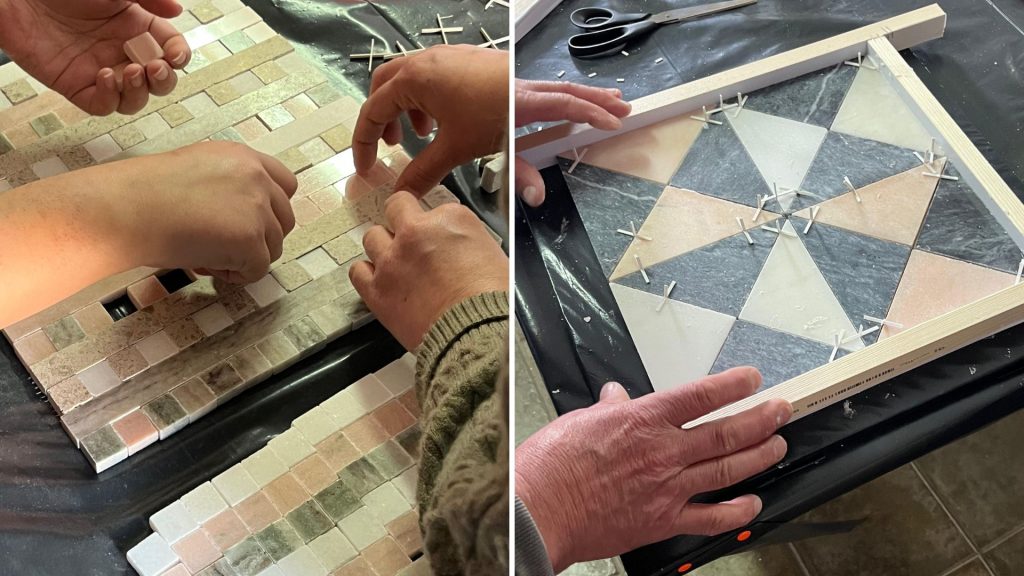
Three participants do not speak Portuguese, and within the training context, a noticeable evolution has been observed among all participants — which can in itself be considered an indicator of social inclusion. The first module focuses on mosaic creation, and several techniques have already been introduced, which will be applied in the development of the final piece. Participants have demonstrated strong interest, dedication, and commitment, producing work of remarkable quality.
What are the main criteria for selecting participants for the workshops and training sessions?
MARMOSAICO is aimed at four main groups: NEET youth aged between 15 and 29 (not in education, employment, or training), immigrants, people with disabilities, and individuals in situations of social and economic vulnerability. Each participant must fit into at least one of these groups, ensuring the project remains focused on promoting inclusion and equal opportunities.
What craft and digital skills do participants develop throughout the training?
Throughout the program, participants have the opportunity to explore a range of techniques and develop craft-based skills, with a strong focus on traditional know-how and the valorization of local resources.
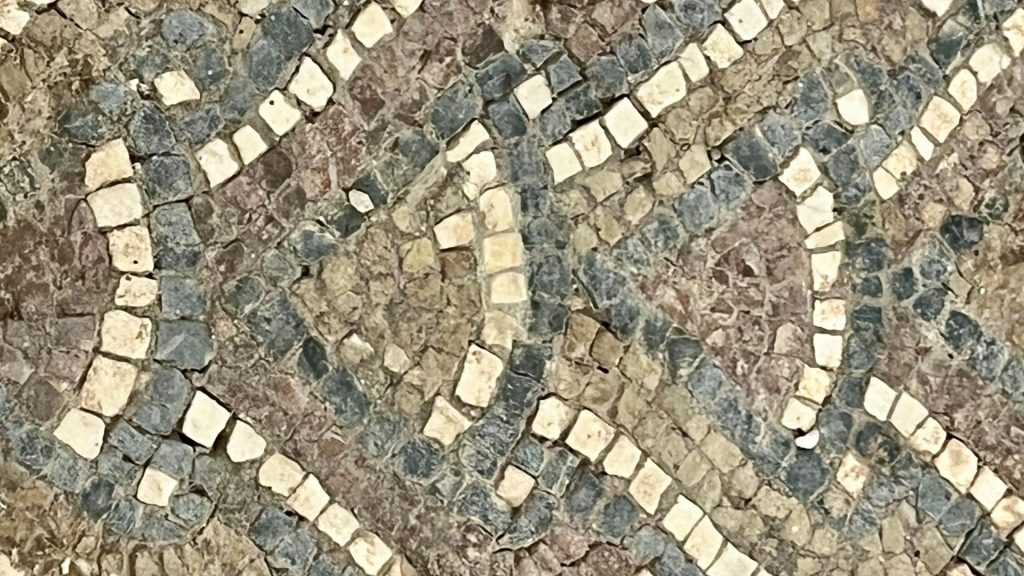
Within the marble mosaic module, participants learn how to create sketches, as well as cutting, assembling, and composition processes, using marble as the primary material. At the same time, they deepen their understanding of the properties of ornamental stones and the proper use of tools, while developing greater awareness of marble’s value as a historical and cultural asset of the Vila Viçosa region.
The training also encourages creativity by promoting the transformation of waste or marble fragments into pieces of artistic value, fostering an approach aligned with sustainable practices. Through the provision of raw materials by project partners, it is possible to balance production and consumption, contributing to environmental preservation and social well-being.
To support integration into today’s job market, MARMOSAICO also includes a digital skills and employability component. In the experimental technologies module, participants gain basic knowledge of visual design applied to digital content creation, learn to produce graphic materials using accessible tools, and explore emerging technologies such as augmented reality and virtual reality. By the end of the program, participants are expected to be able to develop small-scale digital or immersive experiences, strengthening their readiness for current industry challenges.
Is there any follow-up after the completion of the workshops to support participants’ professional integration or entrepreneurship?
At the end of the workshops, each participant will receive a social monitoring report outlining their socio-economic and behavioral context. Throughout the training, their progress, changes, and the effectiveness of the interventions will be continuously assessed.
Out of the total 54 participants, MARMOSAICO aims to integrate 11 trainees into the workforce. It is essential that participants begin their professional journey in a supportive environment where they feel welcomed and secure. We hope that our partners — who were the first to engage with the project and open their doors to the sector — will also be willing to offer opportunities to some of the trainees, allowing them to consolidate their professional experience.
How does MARMOSAICO differentiate itself from other initiatives related to traditional arts, particularly in terms of innovation and technology?
MARMOSAICO stands out from other traditional arts initiatives by positioning itself as a social innovation project that uses heritage and local resources — such as marble, painting, and ceramics — not merely as artistic outputs, but as tools for empowerment and inclusion, both at a personal and professional level, for individuals in vulnerable situations.
This approach is built on three key dimensions. First, social innovation and inclusion: unlike other workshops focused primarily on preserving traditional knowledge or offering creative experiences, MARMOSAICO is fundamentally oriented toward integrating vulnerable groups, including NEET youth, immigrants, people with disabilities, and individuals experiencing social exclusion.
Secondly, it emphasizes the intersection of materials and knowledge, promoting an interdisciplinary approach that enables a systemic and holistic understanding of different fields. This methodology encourages collaboration, knowledge sharing, and the development of more complex and meaningful skills, while fostering a dialogue between local materials — such as marble and ceramics — inspired by the tradition of Roman mosaics.
Finally, practical training plays a central role, grounded in hands-on learning and experimentation. Marble, as a local raw material, is thus transformed into a vehicle for skills development and the creation of new opportunities for social and professional integration.
How do the entrepreneurship and creative industries workshops translate into concrete opportunities for entering the job market?
The entrepreneurship and creative industries workshops serve as practical bridges to the job market, turning abstract skills into tangible outcomes. This transition is driven by a combination of technical training, soft skills development, and the creation of professional networks.
The methodology focuses on moving from “idea creation” to real-world application, providing essential tools for long-term professional sustainability. Beyond technical knowledge, the program fosters key competencies relevant to any work environment, including creativity, communication, resilience, and leadership.
A key strength lies in the direct connection to the professional sector, offering access to mentorship and opportunities to engage with companies. Entry into the job market is not limited to employment alone — participants are also empowered to pursue entrepreneurship as a viable path to overcoming unemployment.
What are the future prospects for strengthening the connection between traditional arts, innovation, and the market?
MARMOSAICO: School of the Future presents a sustainable growth vision, grounded in geographic expansion and the diversification of its target audiences. By extending its reach, the project aims to evolve from a local initiative into a regional — and potentially national — reference, integrating influences from different contexts and exploring new materials.
At the same time, by engaging new audiences — from young people to senior communities, as well as designers, tourists, and professionals in career transition — it reinforces the relevance of traditional arts in responding to contemporary demands.
The valorization of local heritage remains central, through strategies that transform cultural and natural resources into drivers of community, tourism, and economic development. Within this framework, several key directions emerge.
A focus on contemporary design encourages collaboration between master artisans and designers, enabling responses to trends related to luxury and sustainability, while moving beyond a purely traditional approach. Access to new markets — particularly in luxury architecture and heritage restoration — helps position mosaic as a premium, high-value material.
Finally, training and knowledge transfer remain core priorities, through the development of programs that attract new talent and ensure the continuity of traditional know-how, adapting it to the digital landscape and the principles of the circular economy.
What role do partners and sponsors, such as Galrão, play in the sustainability and growth of the project?
Partnerships are a key driver in enabling projects to achieve results that would not be possible independently. They represent a strategic alignment of resources and expertise toward shared objectives.
In this context, partnerships are essential to MARMOSAICO’s development. Early support from partners brought credibility, shared knowledge, and reduced risk. Given that Grupo Galrão is one of the main extractors in the municipality of Vila Viçosa, and considering the existing collaboration within the Marble Route, this partnership emerged naturally and is particularly significant.
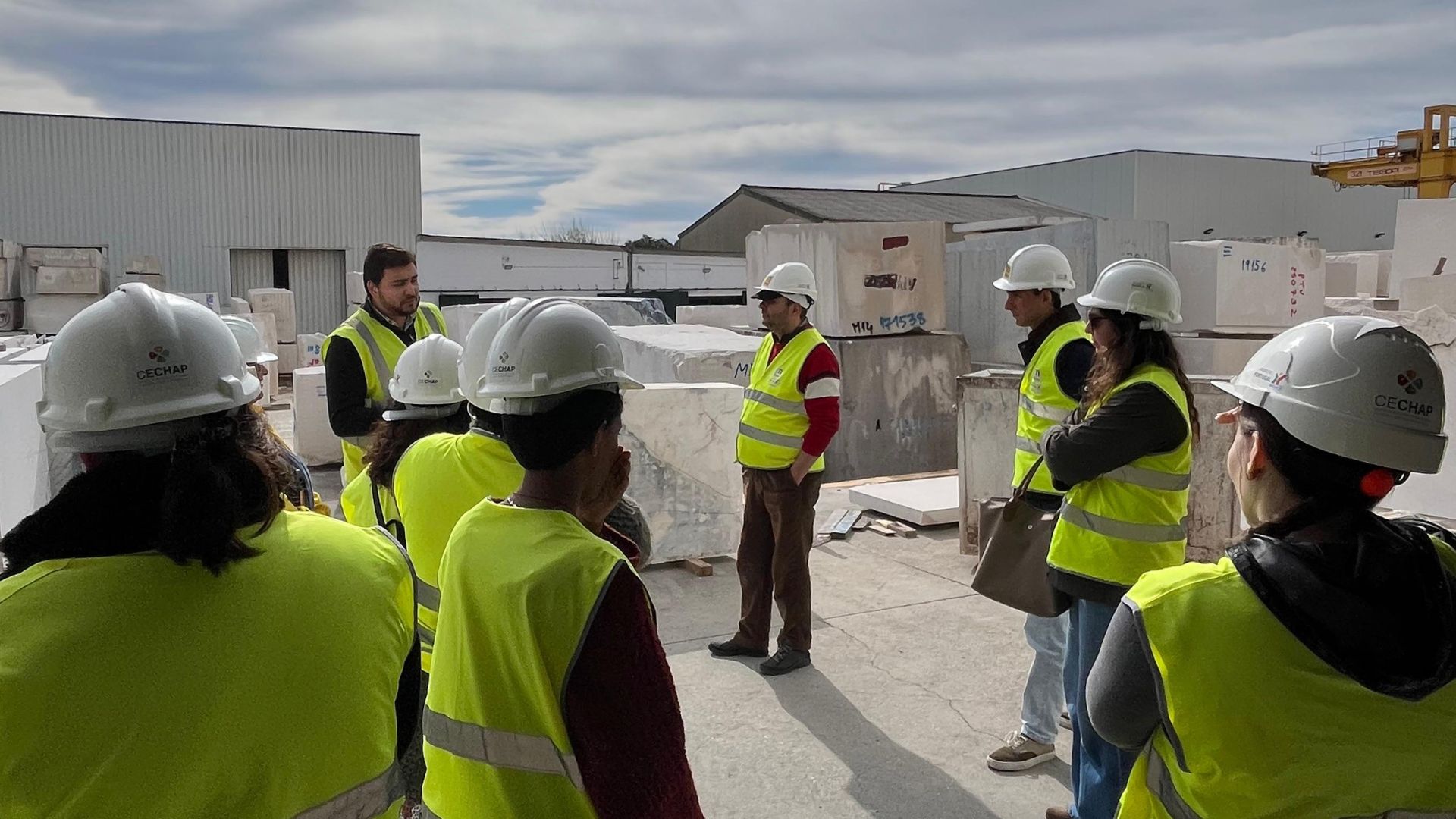
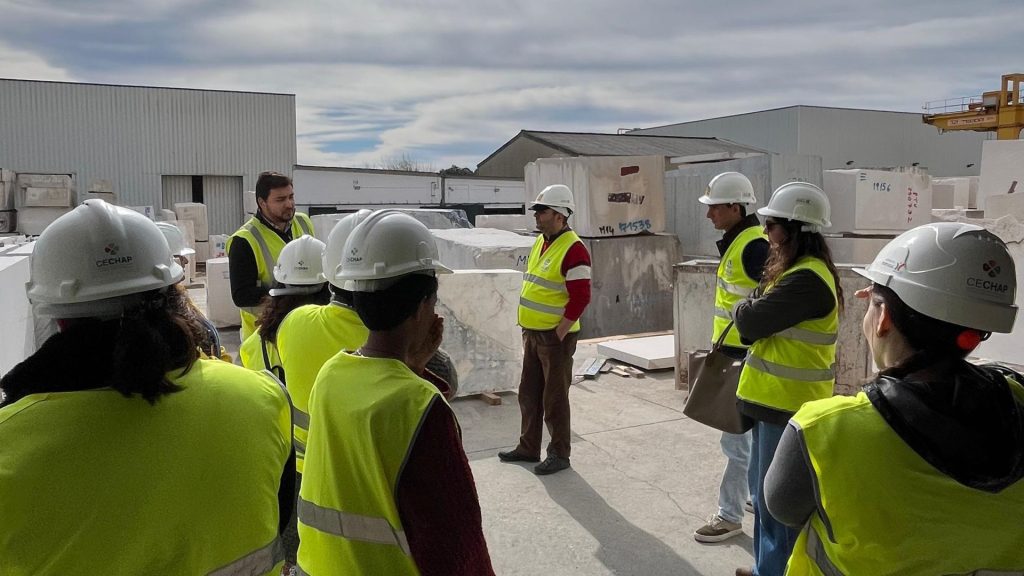
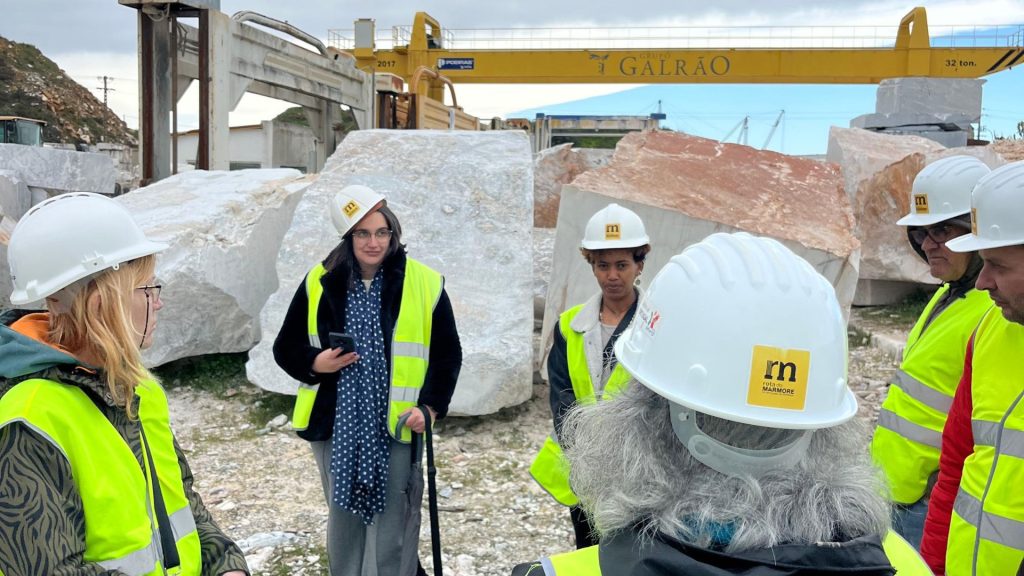
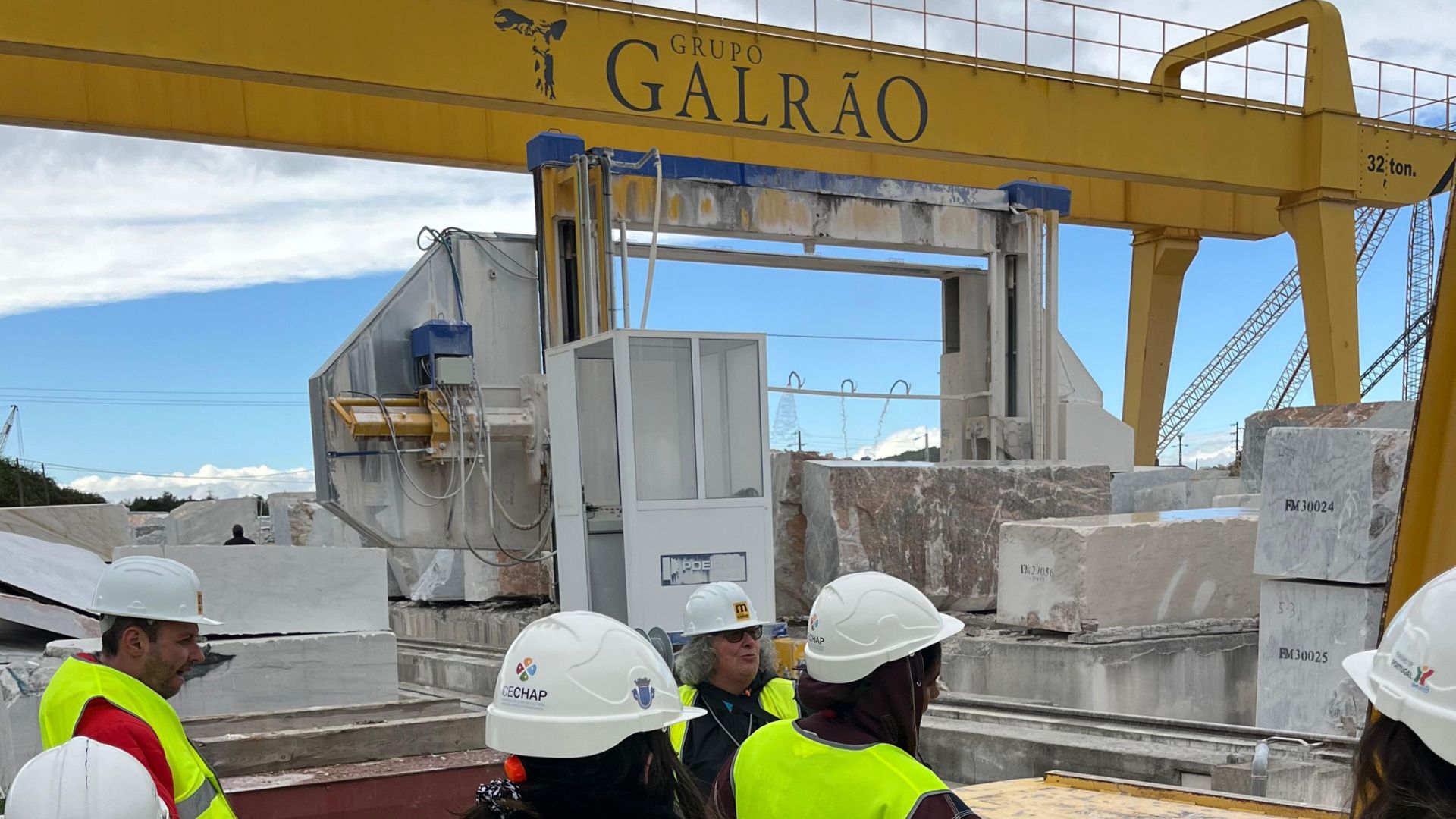
Beyond financial support, their expertise and deep knowledge of extraction — rooted in hands-on experience — are invaluable. Through study visits to the quarry, participants gain direct insight from experienced professionals, acquiring practical knowledge that is fundamental to their training.
Is there an intention to replicate the MARMOSAICO model in other regions of Portugal?
MARMOSAICO is currently a pilot project. Gaining experience and achieving its initial objectives will be essential to adapting the methodology to other regions facing similar challenges.
While expansion is not immediate, the possibility of replicating the model in other territories remains open for the future.